

Skin Cancer is commonly linked to sun exposure, but sunlight is not the only factor that can raise skin cancer risk. Some medications and underlying health conditions reduce the skin’s ability to correct DNA damage, raising the risk of abnormal cell development. In a sunny location like Naples, FL, these added risks deserve close attention.
Harris Dermatology was founded by board-certified dermatologists who returned to Southwest Florida to focus their practice on the detection and treatment of skin cancer. With decades of experience serving Naples and Fort Myers, the Harris brothers built their practice around identifying suspicious lesions early and providing high-quality, specialized dermatologic care.
How Skin Cancer Develops
Healthy skin constantly renews itself through a process guided by DNA. When DNA becomes damaged, this process can break down, allowing abnormal cells to grow into tumors. DNA damage is often linked to ultraviolet radiation, but it can also occur when the body’s immune defenses are weakened. In these cases, damaged skin cells may not be detected or repaired as effectively.
Medications That May Increase Skin Cancer Risk
Some medications affect how the skin responds to sunlight or how efficiently the immune system detects abnormal cells. Over time, this can allow damaged cells to grow unchecked.
Medications commonly associated with increased skin cancer Risk include:
- Immunosuppressive drugs used for autoimmune conditions or organ transplants
- Certain blood pressure medications that heighten sun sensitivity
- Long-term corticosteroid use
- Some chemotherapy or biologic treatments
These medications do not directly cause skin cancer, but they can make sun damage more harmful, especially with regular outdoor exposure.
Medical Conditions Linked To Higher Risk
Certain health conditions may also increase skin cancer risk by weakening immune defenses or slowing DNA repair. People with these conditions often need closer skin monitoring.
Conditions that may increase risk include:
- Autoimmune disorders
- Chronic inflammatory diseases
- A history of skin cancer
- Genetic or hereditary risk factors
- Advanced age
Skin cancer can sometimes appear in areas that receive little or no sun exposure, making professional skin exams especially important.
Types Of Skin Cancer To Be Aware Of
There are multiple types of skin cancer, each affecting the skin differently. Basal cell carcinoma, squamous cell carcinoma, and melanoma are the most common.
Basal cell carcinoma occurs most often and typically does not spread, while squamous cell carcinoma carries a higher risk of spreading when left untreated. Melanoma is the most serious type and can develop on any part of the body, regardless of sun exposure.
When To Seek Dermatology Care In Naples, FL
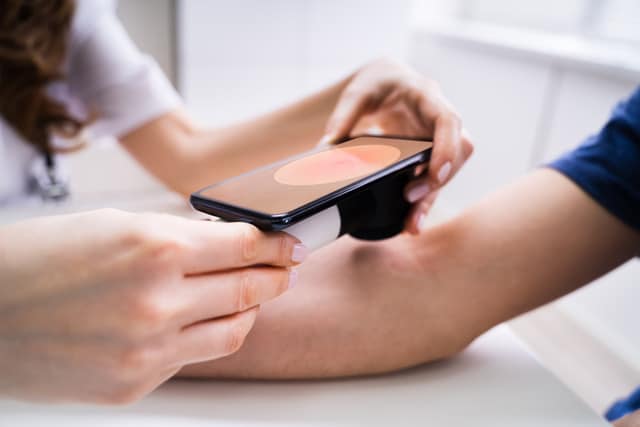
Routine skin cancer screenings help catch changes early, when treatment is most effective. New growths, changing moles, sores that do not heal, or spots that itch or bleed should always be evaluated.
Early detection protects long-term skin health and offers peace of mind. To schedule a skin cancer screening, call 239-596-1848 for our Naples location or 239-936-3344 for our Fort Myers location.